


-

Add: HeBei ShengShi HongBang Cellulose Technology CO.,LTD.
-

Email
13180486930@163.com -

CONTACT US
+86 13180486930



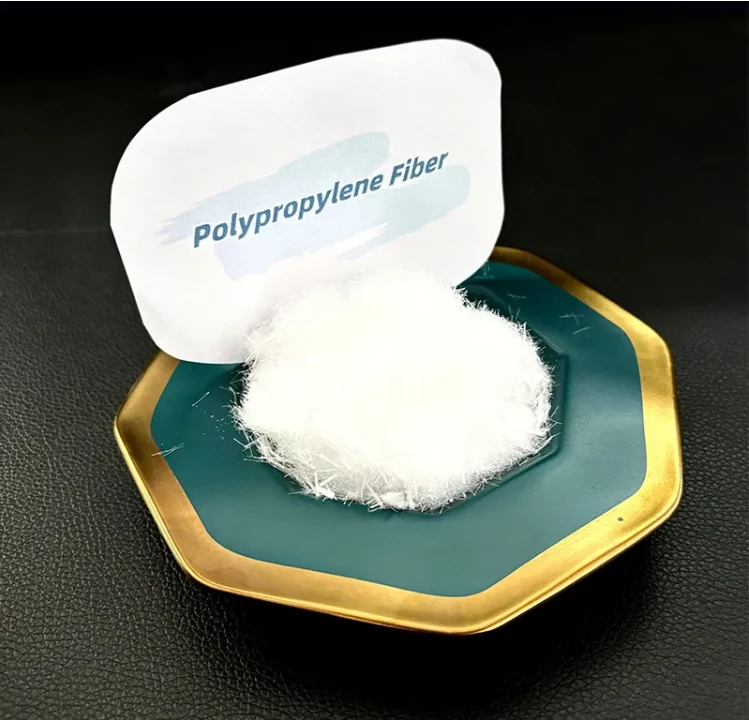


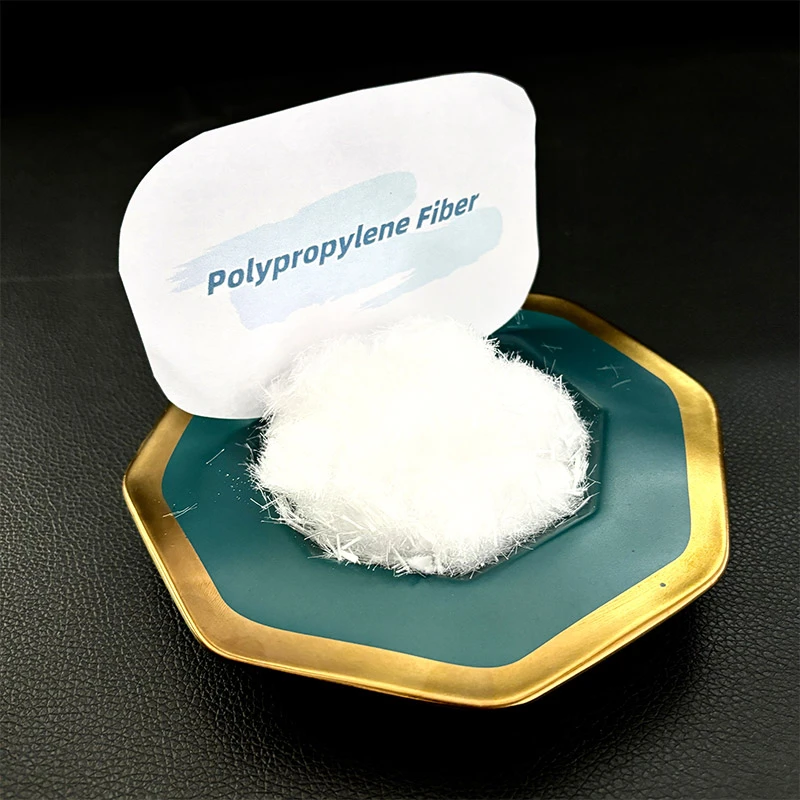
Polyolefin fibers, an essential component in the textile and manufacturing industries, have significantly gained attention due to their versatile applications and superior qualities. These fibers, derived from polymers such as polypropylene and polyethylene, offer a unique combination of properties that cater to numerous industrial needs, enhancing both product performance and durability. One of the most significant advantages of polyolefin fibers is their exceptional resistance to moisture. This property makes them an ideal choice for outdoor applications, where exposure to environmental elements like rain and humidity can quickly degrade other materials. For instance, agricultural fabrics designed to protect crops from the elements heavily rely on polyolefin fibers due to their robust water-repellent characteristics, ensuring longevity and consistent performance across seasons. Moreover, the high tensile strength of polyolefin fibers contributes importantly to their value in various industries. Their ability to withstand considerable stress without breaking or deforming makes them suitable for manufacturing high-strength ropes, fishing nets, and even geotextiles used in construction projects. This inherent strength not only extends the lifespan of the products made from these fibers but also enhances their reliability in critical applications, where failure is not an option. A prominent feature of polyolefin fibers is their inherent resistance to chemical attacks. This characteristic is particularly beneficial in environments where exposure to harsh chemicals or solvents is a concern, such as in industrial filtration systems or packaging materials. Products made from polyolefin fibers do not easily degrade when in contact with chemicals, ensuring both product integrity and safety over time. In the arena of sustainability, polyolefin fibers present a commendable profile. They are fully recyclable and contribute less to the overall carbon footprint compared to some other synthetic fibers. Their production process, largely driven by advances in polymer technology, has become more energy-efficient, allowing manufacturers to produce these fibers with reduced environmental impact. This aspect of sustainability positions polyolefin fibers favorably among environmentally conscious businesses aiming to incorporate more eco-friendly materials into their product lines. polyolefin fiber The light-weight nature of polyolefin fibers is another enticing benefit, leading to two major advantages—ease of handling and reduced transportation costs. Their low density results in lighter end products, which is particularly beneficial for applications in the automotive and aerospace industries, where weight reduction translates to improved fuel efficiency and performance. Polyolefin fibers thus contribute to overall cost savings , benefiting both manufacturers and end consumers. While the advantages are clear, incorporating polyolefin fibers into applications requires careful consideration of certain technical properties. Polyolefin fibers have a relatively low melting point compared to other synthetic fibers, which can be a limiting factor in high-temperature applications. However, this limitation is often addressed in innovative ways by blending polyolefin fibers with other materials or using them in environments where their low thermal resistance is not an issue. The expertise and authority of polyolefin fiber production have been greatly advanced by leading companies and research institutions globally. Their focus remains on refining the production processes and enhancing the fiber’s properties to meet the ever-evolving demands of the market. Extensive research and development activities ensure these fibers remain at the forefront of innovation, maintaining their status as a reliable and versatile material choice. Trustworthiness in the field of polyolefin fibers is further reinforced by strict compliance with international standards and certifications, which oversee the quality and environmental impact of these materials. Reputable manufacturers provide comprehensive data and transparency about their products, allowing consumers to make informed decisions based on verified performance metrics. In conclusion, polyolefin fibers represent a remarkable blend of performance, durability, and sustainability, making them indispensable across a variety of industrial sectors. Their distinctive properties provide tangible benefits, from extending product life to reducing environmental impacts, ensuring that polyolefin fibers will continue to be a material of choice for innovative solutions well into the future.
- 40000tons

Production
- 20+years

Experience
- 5000+㎡

Acreage

-
Retaining optimal eye health in today’s digitally-driven world poses a significant challenge, with increased screen time leading to discomfort and dryness. One solution that has been gaining attention is Retaine HPMC eye drops . This product stands out not only for its effectiveness but also for its novel approach to eye care, ensuring users regain ocular comfort with a scientific touch of hydration science. For those enduring the discomfort of dry eyes, the application of Retaine HPMC eye drops offers a user-centric solution that melds experience and expertise. Among the plethora of eye care products available, Retaine HPMC differentiates itself with its unique formulation, rich in Hydroxypropyl Methylcellulose (HPMC). This active ingredient is celebrated for its superior lubricating properties that provide quick relief and prolonged moisture retention on the ocular surface. From an experiential perspective, users have consistently reported an immediate soothing effect following the application of Retaine HPMC. This is vital for individuals whose daily routines demand clarity and comfort, such as professionals engaged in prolonged computer usage or individuals spending extensive hours in climate-controlled environments. The long-lasting comfort provided by these eye drops is not just a marketing declaration but a testament supported by numerous user testimonials and reviews that highlight the product’s efficacy. Delving into the expertise aspect, it's imperative to note that the science behind Retaine HPMC eye drops is underscored by rigorous research. Hydroxypropyl Methylcellulose, a polymer known for its viscoelastic properties, forms a protective film over the ocular surface, mimicking the natural tear film's function. This replication is crucial for maintaining hydration and protecting the cornea from various environmental irritants. Such intricate chemistry cements its standing as a scientifically backed product, making it a reliable ally in mitigating the symptoms of dry eye syndrome. retaine hpmc eye drops Authoritativeness is another pillar where Retaine HPMC commands respect in the pharmaceutical realm. The product is a result of comprehensive research and testing, complying with stringent regulatory standards. It has been recommended by healthcare professionals, further solidifying its reputation. Ophthalmologists often suggest Retaine HPMC as a first-line defense against ocular surface discomfort due to its effective compositional formula that does not induce dependency, even with prolonged use. An essential aspect that potential users consider is trustworthiness, especially in healthcare-related products. Retaine HPMC eye drops have consistently demonstrated their safety and efficacy through extensive clinical trials. The product’s commendable track record of minimal to no adverse effects plays a crucial role in building consumer confidence. Additionally, it comes packaged with clear usage instructions, ensuring that users can confidently administer the solution, knowing they are in possession of a high-quality, reliable product designed with their health in mind. Moreover, these eye drops are accessible without the necessity of a prescription, allowing for convenient purchase while maintaining high quality. This accessibility broadens its appeal and usefulness, accommodating a wider demographic who may face discomfort from dry eyes yet seek quick, professional-grade relief. In summary, Retaine HPMC eye drops embody the epitome of an efficient, reliable, and scientifically-endorsed product, providing unparalleled relief in the realm of eye care. The product’s basis on solid scientific research and positive user experiences, coupled with esteemed endorsements from experts, makes it a trustworthy choice for anyone looking to alleviate dry eye symptoms. Such robust characteristics make it a product that garners loyalty and trust from new users and seasoned advocates alike, setting a high standard in eye health maintenance.
-
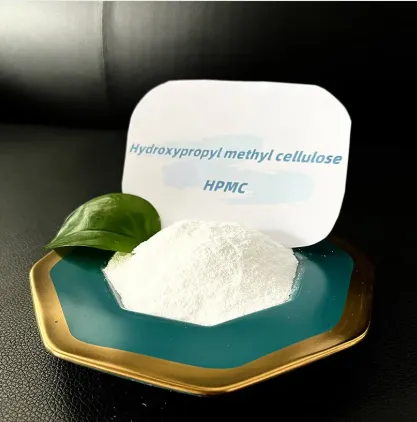
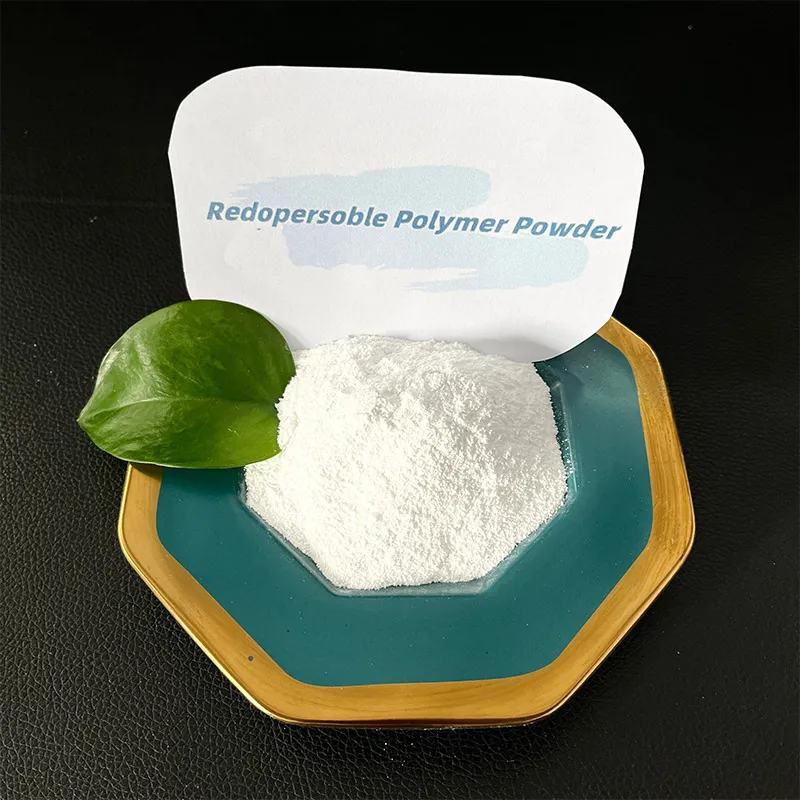
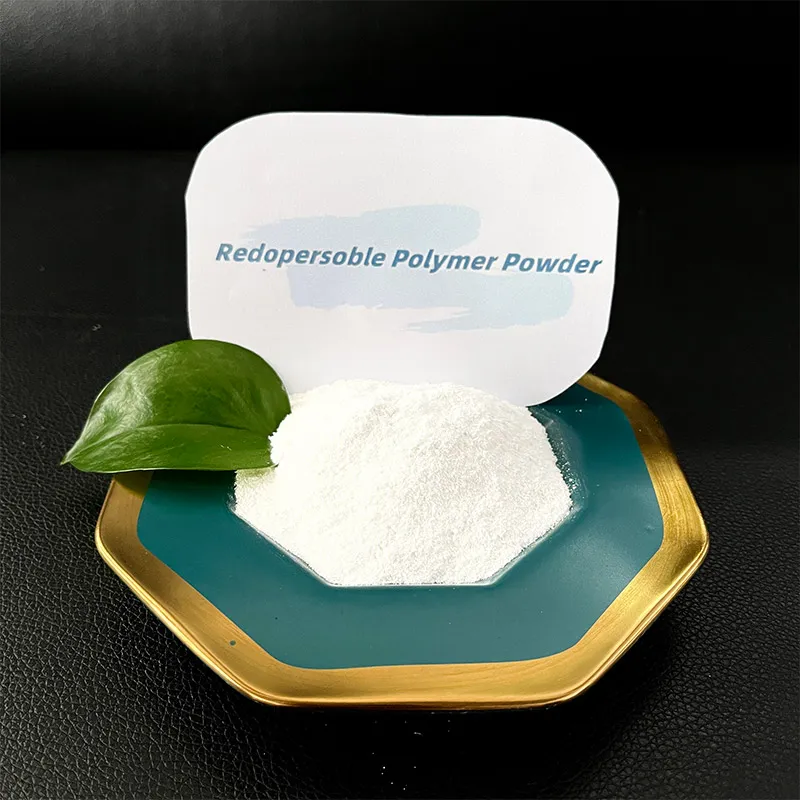
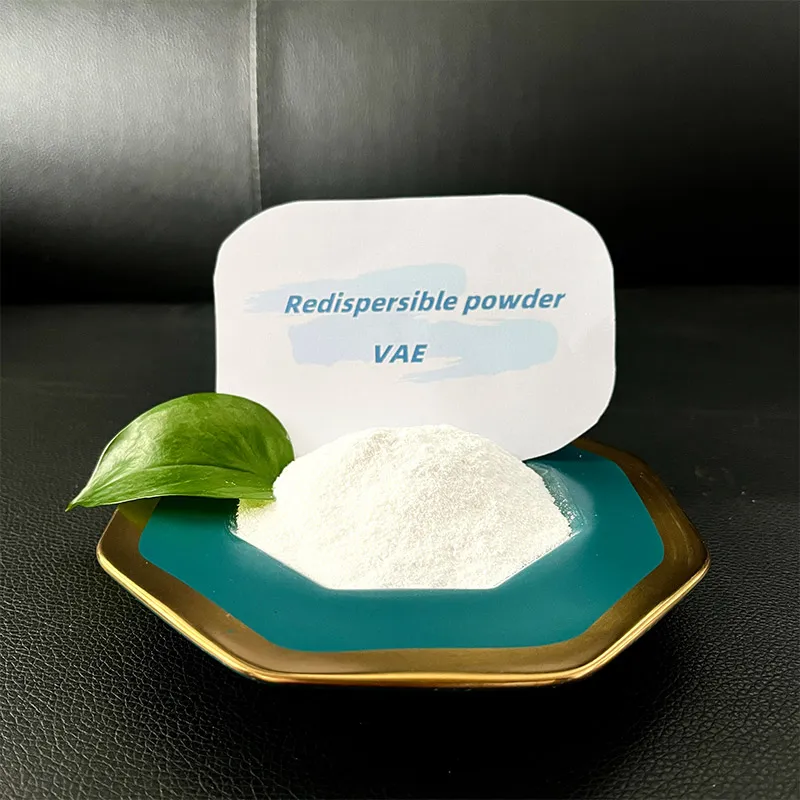
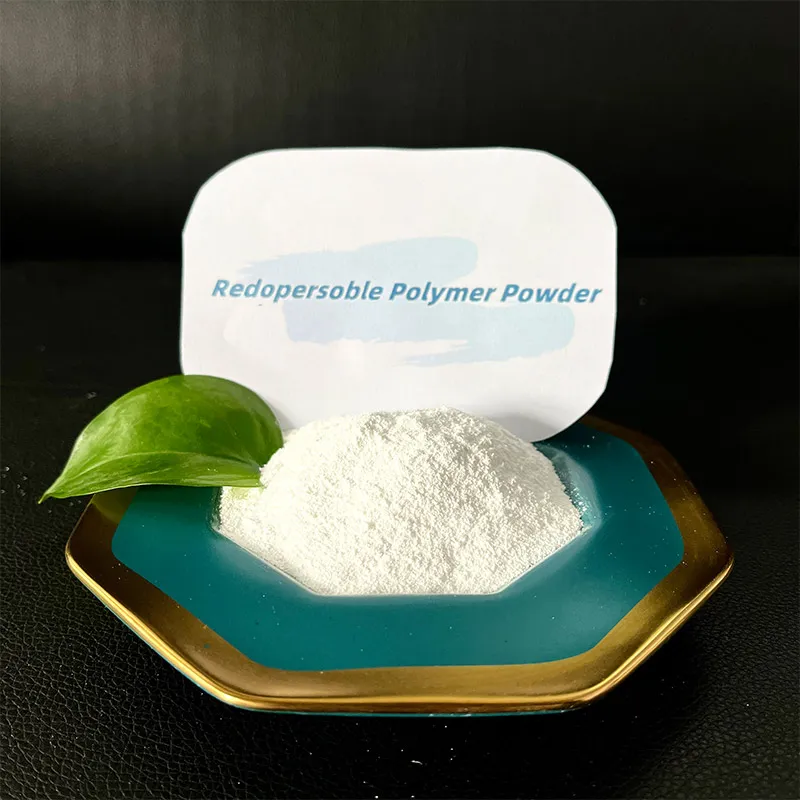
In the modern construction industry, the performance of building materials is critical to ensuring durability and reliability. One such material that has gained significant attention is redispersible polymer powder . This powdered additive is a versatile ingredient used in various construction applications, from adhesives to plaster and mortar. Redispersible polymer powder is created by drying a polymer emulsion into a fine powder, which can then be mixed with water to form a stable dispersion again, enabling superior bonding and flexibility. The key advantage of redispersible polymer powder is its ability to improve the mechanical properties of construction materials. When added to mortar, cement, or adhesives, it enhances their adhesion, workability, and flexibility, leading to longer-lasting and more durable results. Whether you are working on indoor wall plaster, exterior coatings, or tile adhesives, redispersible polymer powder is a vital ingredient that enhances the overall performance of construction materials. This article will explore the benefits of redispersible polymer powder , the role of vinyl acetate ethylene copolymer powder , polylactic acid powder , and redispersible latex powder , and how these products contribute to the success of modern building materials. The Advantages of Vinyl Acetate Ethylene Copolymer Powder in Construction Vinyl acetate ethylene copolymer powder is a powerful material that plays a crucial role in the performance of construction products. This polymer is created by combining vinyl acetate with ethylene, which results in a powder that offers superior adhesion, flexibility, and water resistance. Vinyl acetate ethylene copolymer powder is particularly valuable in the production of tile adhesives, cement-based mortars, and exterior coatings. One of the primary advantages of using vinyl acetate ethylene copolymer powder in construction applications is its ability to improve the workability of materials. It enhances the spreadability of adhesives and coatings, making them easier to apply without compromising their strength. Additionally, vinyl acetate ethylene copolymer powder helps increase the bond strength of adhesives, ensuring a long-lasting hold even in challenging environmental conditions. Another benefit is its excellent water resistance. This makes vinyl acetate ethylene copolymer powder a preferred choice for applications that require materials to withstand moisture, such as in wet areas or exterior surfaces. Its ability to improve the flexibility and crack resistance of construction materials also ensures that products remain durable and stable over time, even in areas with temperature fluctuations. Polylactic Acid Powder: A Sustainable Solution for Construction and Packaging Polylactic acid powder , or PLA powder, is a biodegradable polymer that is rapidly gaining traction in various industries, including construction and packaging. Derived from renewable resources such as cornstarch or sugarcane, polylactic acid powder offers an eco-friendly alternative to traditional plastic materials. In construction, polylactic acid powder is being used as a binder in composite materials, insulation, and other applications that require lightweight yet durable properties. One of the key benefits of polylactic acid powder is its environmental friendliness. As a renewable and biodegradable material, polylactic acid powder significantly reduces the carbon footprint of construction products. This is especially important as the construction industry moves towards more sustainable practices and looks for ways to reduce its impact on the environment. In addition to its eco-friendly properties, polylactic acid powder offers impressive mechanical strength and versatility. It can be used in combination with other materials like cellulose, minerals, and polymers to create high-performance building materials that are both strong and lightweight. Polylactic acid powder is also an excellent material for 3D printing applications, enabling the creation of complex and custom designs for building components and decorative elements. As demand for sustainable construction practices increases, polylactic acid powder is likely to play an even larger role in the industry. Redispersible Latex Powder: Improving Adhesion and Durability Redispersible latex powder is a key ingredient used in the production of a wide range of construction materials. Similar to redispersible polymer powder , redispersible latex powder is a dry powder that, when mixed with water, forms a latex dispersion that significantly improves the properties of building materials. Redispersible latex powder is often used in cement-based products such as mortar, plaster, and adhesives, where it provides superior adhesion, flexibility, and water resistance. The use of redispersible latex powder is particularly beneficial in applications where increased bond strength is required. It helps improve the adhesive properties of tile adhesives, wall plasters, and other cementitious materials, ensuring that they adhere strongly to substrates without compromising the material's flexibility. This flexibility is crucial in preventing cracks from forming as the building material expands and contracts due to temperature fluctuations. Combining Polymer Powders for Optimal Performance in Construction The combination of various polymer powders, such as redispersible polymer powder , vinyl acetate ethylene copolymer powder , polylactic acid powder , and redispersible latex powder , provides a comprehensive solution for improving the performance of construction materials. Each of these polymer powders has unique properties that, when combined, can offer optimal results in terms of adhesion, flexibility, durability, and sustainability. Similarly, adding redispersible latex powder to a cement-based product can enhance water resistance, ensuring that the material remains stable even in wet environments. By understanding the unique properties of each polymer powder and combining them strategically, manufacturers can create high-performance construction products that meet the needs of modern building standards. R edispersible polymer powder , along with other polymer-based products like vinyl acetate ethylene copolymer powder , polylactic acid powder , and redispersible latex powder , plays a vital role in enhancing the performance and sustainability of construction materials. These additives improve the workability, flexibility, adhesion, and water resistance of cement-based products, making them ideal for a wide range of applications, from tiles and adhesives to plasters and coatings. As the construction industry continues to evolve and prioritize sustainability, the use of these polymer powders will only become more important. Whether you're looking to improve the durability of your building materials, create more eco-friendly products, or enhance the performance of your construction projects, incorporating redispersible polymer powder and other polymer-based additives is a smart investment that will lead to superior results.
advantages
-

200000 Viscosities
Excellent product
We can produce pure products up to 200,000 viscosities
-

40000 tons
High yield
We don’t stop production all year round, and the annual output can reach 40,000 tons
-

24 hours
Quality service
We provide 24-hours online reception service, welcome to consult at any time
———— Inquiry Form
Schedule A services
-
 hpmc_6_cps
Oct . 25, 2025
Pentastarch is a frequently utilized colloidal solution that has sparked interest among medical prof -
 hydroxypropyl_methylcellulose_manufacturing_process
Oct . 25, 2025
Hydroxypropyl Methyl Cellulose (HPMC) has emerged as a versatile material in various industries, off -
 rubber_powder_cost
Oct . 25, 2025
For companies in the pharmaceutical, construction, and food industries, a dependable source of Hydro


